

When embarking on a weight loss journey, many individuals focus solely on the number displayed on the scale. However, this singular metric doesn’t provide a complete picture of one’s health. Understanding body fat percentage offers a more nuanced and accurate assessment of health and fitness levels. This article delves into why body fat percentage is a more critical metric than weight alone, how to measure it, and how it can guide you toward sustainable health goals.
Understanding Body Fat Percentage
Body fat percentage refers to the proportion of fat in your body compared to everything else—muscles, bones, water, organs, and other tissues. Unlike body weight, which is a simple number on the scale, body fat percentage provides critical insight into your body composition. It tells you how much of your body is composed of fat and how much is made up of lean mass, which includes muscle, bone, and organs. This makes it a far more meaningful metric when it comes to evaluating health and fitness.
Essential Fat vs. Storage Fat
Essential fat is the minimum amount of fat your body needs to maintain vital physiological functions. It plays a role in regulating hormones, supporting cell structure, protecting internal organs, and maintaining body temperature. For women, essential fat typically ranges from 10-13%, while men require about 2-5%.
Storage fat, on the other hand, is the fat your body accumulates for energy reserves. While some storage fat is necessary, too much of it—especially visceral fat, which surrounds internal organs—can lead to serious health issues. High levels of storage fat are linked to heart disease, type 2 diabetes, inflammation, and hormonal imbalances. Understanding and monitoring your body fat percentage can help you strike the right balance between essential fat and excess storage fat, paving the way for a healthier, more resilient body.
Limitations of the Scale
For many people, the number on the bathroom scale dictates their entire perception of health and progress. However, relying solely on weight can be misleading for several important reasons:
-
Muscle vs. Fat: Muscle tissue is significantly denser than fat. This means someone who lifts weights and maintains a lean physique might weigh more than someone of the same height with a higher body fat percentage. So while the scale might not budge—or may even go up—body composition could be improving dramatically.
-
Water Retention: Your weight can fluctuate throughout the day and week due to hydration levels, sodium intake, hormonal cycles, and inflammation. These fluctuations are often unrelated to actual fat gain or loss but can distort your perception of progress.
-
No Insight into Composition: Most importantly, the scale doesn’t tell you what you’re losing or gaining—whether it’s fat, muscle, water, or bone mass. Without that knowledge, you could be making poor health decisions while thinking you’re on the right track.
This is why tools like body fat percentage measurements and 3D body scans (such as Styku) are becoming increasingly popular among individuals serious about sustainable, meaningful health transformations.
Health Risks Associated with High Body Fat Percentage
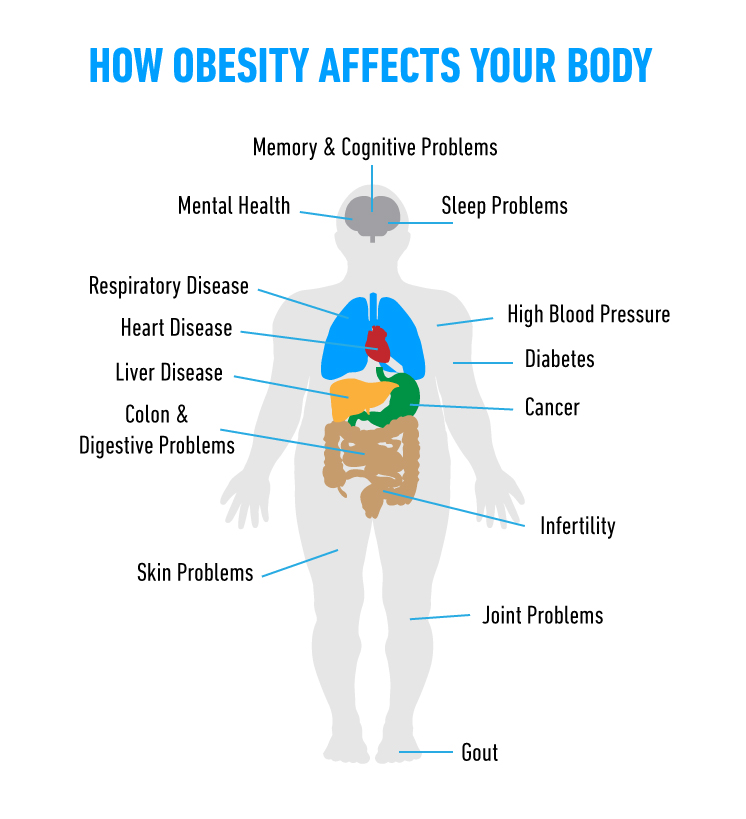
Carrying excess body fat—especially visceral fat, which surrounds internal organs—can be dangerous even if your overall weight appears to be within a “normal” range. A high body fat percentage is associated with several chronic and life-threatening conditions:
-
Cardiovascular Diseases: Visceral fat contributes to inflammation, insulin resistance, and high cholesterol, all of which significantly raise the risk of heart attacks and strokes.
-
Type 2 Diabetes: Elevated body fat, especially around the abdomen, is closely linked to insulin resistance and impaired glucose regulation, paving the way for type 2 diabetes.
-
Hypertension: Increased fat mass puts more strain on the heart and blood vessels, often leading to elevated blood pressure levels.
-
Certain Cancers: Research has found a strong correlation between obesity and several types of cancer, including breast, colon, and pancreatic cancers. Hormonal imbalances caused by excess fat may play a role.
Recognizing these risks highlights the importance of assessing more than just weight—and why understanding your body fat percentage is vital for long-term health.
Benefits of Monitoring Body Fat Percentage
Unlike weight or even Body Mass Index (BMI), body fat percentage offers a nuanced, accurate picture of health and fitness progress. Here’s why monitoring it is so powerful:
-
Accurate Health Assessment: Measuring body fat helps identify whether you’re in a healthy range, underfat, or carrying excess fat that may put you at risk—regardless of your weight on the scale.
-
Tailored Fitness Goals: Understanding your fat-to-lean mass ratio allows you to create personalized goals—such as reducing fat while preserving or building muscle, which is crucial for metabolic health.
-
Motivation & Accountability: Watching your body composition change (even when your weight doesn’t) can be incredibly motivating and helps you stay consistent with your fitness or weight loss plan.
-
Preventative Health: Early awareness of rising fat levels can help you take action before chronic conditions develop, turning small lifestyle changes today into big long-term benefits.
Methods to Measure Body Fat Percentage

There are several methods available to measure body fat percentage, each varying in complexity, accuracy, and accessibility. One common and widely used technique is Bioelectrical Impedance Analysis (BIA), which works by sending a low-level electrical current through the body to estimate fat levels based on how easily the current travels—lean tissue conducts electricity more efficiently than fat. BIA is quick, affordable, and non-invasive, but its accuracy can be affected by factors such as hydration, recent food intake, or skin temperature.
Another popular method is the use of Skinfold Calipers, which involve measuring the thickness of skinfolds at specific points on the body (such as the triceps or abdomen). These measurements are then input into formulas to estimate body fat percentage. This method is relatively inexpensive and fairly accurate when performed by a trained technician, though it can be prone to human error and less suitable for individuals with very low or very high body fat levels.
For a more advanced and highly accurate measurement, Dual-Energy X-ray Absorptiometry (DEXA) scans use low-level X-rays to differentiate between bone mass, lean tissue, and fat mass. DEXA provides a comprehensive assessment of body composition, but it is costly and typically only available in medical or research settings.
Hydrostatic Weighing, also known as underwater weighing, estimates body density by comparing a person’s weight on land to their weight submerged in water. This method is extremely accurate and has long been considered a gold standard in body composition analysis. However, it requires access to specialized equipment and may not be practical for everyday use.
Modern technology has introduced 3D Body Scanners like the Styku system, which use infrared sensors to capture a 3D model of the body. These scanners calculate circumferences and provide visual feedback on fat distribution and lean mass. While slightly less precise than DEXA, 3D scanning is non-invasive, fast, and highly effective for tracking changes over time, making it ideal for use in fitness centers and wellness clinics.
Ideal Body Fat Percentages
Healthy body fat percentages vary depending on factors such as age, sex, and physical activity levels. For women, essential fat—the minimum amount needed to support vital bodily functions—ranges between 10% and 13%. Female athletes typically fall within 14% to 20%, while those in the general fitness category are often between 21% and 24%. A body fat percentage of 25% to 31% is generally considered acceptable, while 32% or higher is categorized as obese. For men, essential fat ranges from just 2% to 5%. Male athletes usually maintain a body fat range of 6% to 13%, while the fitness category spans 14% to 17%. An acceptable range for most men is between 18% and 24%, and 25% or more is considered obese. Understanding where you fall on this spectrum can help you assess your current health status and set realistic, personalized goals for fat reduction or muscle gain. Whether you’re aiming for athletic performance or general wellness, body fat percentage is a more meaningful metric than weight alone when evaluating progress.
Body Fat Percentage vs. BMI

Body Mass Index (BMI) is a widely used tool for estimating body fat by calculating weight relative to height. While BMI is easy to compute and offers a quick snapshot of potential health risks, it has several limitations. Notably, BMI fails to account for key factors like muscle mass, bone density, or fat distribution. This means that muscular individuals, such as athletes, may be incorrectly classified as overweight or obese, despite having low body fat. Additionally, BMI doesn’t differentiate between fat and lean mass, nor does it indicate where fat is stored in the body. This is crucial because abdominal fat, in particular, poses greater health risks, such as increased chances of heart disease and diabetes.
In contrast, body fat percentage provides a more accurate and meaningful measure of health. It directly assesses the proportion of fat in the body, offering a clearer picture of an individual’s health, fitness progress, and body composition. When used alongside tools like BMI and advanced methods such as 3D body scans, body fat percentage gives a comprehensive health profile. This multifaceted approach is far more reliable than relying on a single number, offering a more complete understanding of your overall health.
Incorporating Body Fat Monitoring into Your Health Routine
Incorporating body fat monitoring into your regular health routine can significantly enhance your understanding of your fitness progress and overall well-being. First and foremost, it’s important to schedule regular assessments to track changes over time. By measuring body fat at consistent intervals, you can observe how your body is responding to your fitness routine, diet, and lifestyle adjustments. Additionally, body fat percentage should not be looked at in isolation. To get a more complete picture of your health, it’s beneficial to combine body fat monitoring with other metrics, such as waist circumference, weight, and regular fitness tests. This holistic approach will give you a clearer understanding of your body’s transformation.
Setting realistic goals is also key to success. Instead of aiming for drastic changes in a short period, focus on gradual fat loss while maintaining or building muscle mass. This will ensure that your body composition improves steadily and healthily. Finally, it’s highly recommended to consult with healthcare providers or fitness experts to interpret your body fat results. They can help you develop a personalized plan, ensuring your approach aligns with your health goals and supports your long-term success.
FAQs
Q1: How often should I measure my body fat percentage?
A: It’s recommended to assess body fat every 4-6 weeks to monitor progress without being discouraged by daily fluctuations.
Q2: Can I reduce body fat without losing weight?
A: Yes. Through strength training and proper nutrition, you can lose fat and gain muscle, resulting in little to no change on the scale but improved body composition.
Q3: Is a low body fat percentage always better?
A: Not necessarily. Extremely low body fat can lead to health issues, including hormonal imbalances and decreased immune function. Aim for a healthy range suitable for your age and sex.
Q4: Do men and women have different ideal body fat percentages?
A: Yes. Women naturally have higher essential fat levels due to hormonal and reproductive functions.
Q5: How does age affect body fat percentage?
A: As we age, muscle mass tends to decrease, and fat mass may increase, making it essential to monitor and adjust fitness routines accordingly.
Conclusion
Understanding and monitoring your body fat percentage provides a more comprehensive view of your health than weight alone. By focusing on body composition, you can set more effective fitness goals, prevent potential health risks, and achieve sustainable results. Remember, the journey to health is not just about losing weight but about optimizing your body’s composition for overall well-being.
Ready to take control of your health journey? At Inspire Weight Loss Nona, we offer personalized plans tailored to your unique body composition and goals.
📍 Visit us at: 19475 Boggy Creek Rd Suite A, Orlando, FL 32832
📞 Call us at: (407) 837-3555
🌐 Learn more: www.inspireweightlossandfunctionalwellness.com
Schedule your free consultation today and embark on a path to a healthier, happier you!