
When starting a weight loss journey, many people rely heavily on the bathroom scale to measure their progress. While the scale offers a quick and easy number, it doesn’t tell the whole story. Body weight fluctuates daily due to changes in water retention, food intake, muscle gain, and more. More importantly, the scale doesn’t differentiate between fat loss and lean muscle gain—two factors that are essential to real health improvements. For example, someone might be losing fat and gaining muscle simultaneously, resulting in little to no change in weight, despite their body becoming leaner and healthier. This can be discouraging if the scale is the only tool being used. Understanding the difference between fat loss and overall weight loss helps set more realistic goals and provides a clearer picture of true progress. For sustainable results and better health, it’s important to look beyond the scale and focus on body composition changes.

What Is Weight Loss?
Weight loss refers to a decrease in total body weight, which includes not only fat but also muscle, water, and other bodily components. While it’s often the most commonly used measure of progress in fitness and health journeys, it can be misleading. The number on the scale can fluctuate significantly from day to day based on factors such as hydration levels, recent food consumption, sodium intake, and hormonal changes. For example, someone might see a drop in weight after sweating during a workout or following a low-carb diet, but this is often due to water loss rather than actual fat reduction.
Moreover, losing muscle along with fat can be detrimental to overall health and metabolism. Muscle helps the body burn more calories at rest, so preserving lean mass is essential for long-term weight management. Focusing solely on weight loss can also lead to unhealthy practices, such as crash dieting, which may result in rapid weight changes without improving body composition. For a more accurate picture of health and progress, it’s important to look beyond the scale and consider other metrics like body fat percentage, muscle mass, and how your clothes fit. Understanding this distinction can lead to more sustainable and informed health choices.

What Is Fat Loss?
Fat loss refers specifically to the reduction of body fat while maintaining or even increasing lean muscle mass. This distinction is crucial because it leads to healthier and more sustainable changes in body composition compared to general weight loss. While weight loss can come from fat, muscle, or water, fat loss focuses on improving the ratio of fat to muscle, which has significant benefits for long-term health and fitness.
Preserving lean muscle mass during fat loss is essential because muscle plays a key role in maintaining a healthy metabolism. More muscle means the body burns more calories at rest, making it easier to manage weight over time. Additionally, fat loss often results in a more toned and defined physical appearance, even if the number on the scale doesn’t drop dramatically. This can boost confidence and motivation throughout a fitness journey.
Beyond aesthetics, fat loss contributes to better metabolic health, reducing the risk of chronic conditions such as type 2 diabetes, heart disease, and high blood pressure. It can also lead to improved energy levels, mobility, and overall well-being. By focusing on fat loss rather than just losing weight, individuals are more likely to achieve lasting, meaningful results that support both physical and mental health.
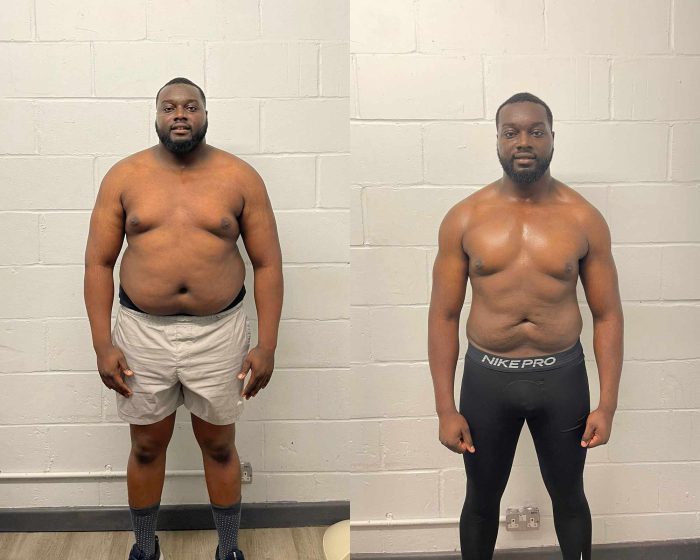
Why the Scale Can Be Deceptive
Muscle Weighs More Than Fat
Muscle tissue is denser and more compact than fat, meaning it occupies less space in the body. As individuals incorporate strength training into their fitness routines, they often build lean muscle while simultaneously losing fat. This recomposition can result in little to no change on the scale, even though the body is becoming leaner, stronger, and healthier. Clothes may fit better, and physical appearance can improve, despite the weight remaining the same. This is why relying solely on the scale can be misleading. Tracking body composition offers a more accurate reflection of true progress and overall health improvements.
Water Retention Can Skew Results
Factors like sodium intake, carbohydrate consumption, and hormonal fluctuations can cause the body to retain water, leading to temporary increases in weight. This water retention can result in daily fluctuations on the scale that don’t accurately reflect changes in body fat. For instance, consuming salty foods or foods high in carbohydrates can cause the body to hold onto more water, making weight appear higher than it truly is. Carbs, in particular, are stored in the body with water, so a high-carb meal or an increase in sodium intake can lead to noticeable shifts in weight, even though no actual fat has been gained.
Similarly, hormonal fluctuations, especially in women, can affect water retention, causing weight to temporarily increase during certain phases of the menstrual cycle. These short-term changes can mislead individuals into thinking they are not making progress or are gaining fat, when in fact, they are not. This is why it’s essential not to get discouraged by daily weight fluctuations.
Instead of focusing on short-term changes, it’s better to track progress over weeks or months. Remember that these fluctuations are normal, and they don’t reflect your overall fat loss progress. True progress is best measured over time, considering factors like body composition and how clothes fit.
Daily Weight Fluctuations Are Normal
Body weight can fluctuate by 1 to 2 kilograms on a daily basis due to various factors like hydration levels, food intake, and even the time of day. These fluctuations are entirely normal and often have nothing to do with actual fat loss. For example, weighing yourself after a large meal or drinking plenty of water can cause your weight to temporarily spike. Similarly, your weight can be lower in the morning after a night’s sleep, when your body has had time to digest food and eliminate waste.
Focusing on daily weight changes can cause unnecessary stress and anxiety, as these fluctuations are often unrelated to long-term fat loss progress. When you step on the scale each day, you may be discouraged by minor increases in weight, even though these changes don’t reflect your true progress. Constantly checking can lead to an unhealthy obsession with the number on the scale, which can be mentally taxing.
Instead, it’s more effective to track weight trends over weeks or months. Monitoring your progress in the long term, rather than day-to-day fluctuations, provides a more accurate picture of your fat loss journey. It’s also helpful to track other metrics like body measurements, photos, or how your clothes fit to get a clearer understanding of your transformation.
Better Ways to Measure Progress
Body Measurements
Taking measurements of key body parts, such as the waist, hips, and arms, offers a more accurate picture of fat loss than relying solely on the scale. Unlike the scale, which fluctuates due to factors like water retention or muscle gain, body measurements give a clearer view of changes in body composition. Tracking these measurements over time allows you to see the reduction of fat and improvements in muscle tone. This method helps highlight progress that might not be reflected in your weight, offering a more comprehensive understanding of your fitness journey and showcasing real, lasting changes in your physique.
Progress Photos
Regular photos are an excellent way to track changes in body composition that the scale might not reveal. Unlike weight, which can fluctuate due to various factors, photos allow you to visually capture physical transformations over time. By comparing pictures taken at consistent intervals, you can clearly see changes in fat loss, muscle gain, and overall body shape. This provides a more comprehensive view of progress, offering insights that numbers on the scale can’t show. Using photos as a reference helps maintain motivation and keeps you focused on your true fitness achievements, rather than getting discouraged by temporary weight shifts.
How Clothes Fit
Noticing how your clothes fit can be a practical and motivating indicator of fat loss, even when the scale shows little or no change. As you lose fat and gain muscle, your body composition shifts, often resulting in looser-fitting clothes, especially around areas like the waist, hips, and thighs. This is a clear sign that you’re making progress, even if the scale isn’t moving. Unlike weight fluctuations, changes in how your clothes fit reflect lasting shifts in body composition. Pay attention to these subtle changes—they can offer a more accurate and encouraging measure of your fitness journey.
Energy Levels and Physical Performance
Improvements in energy levels and physical performance during workouts are clear indicators of fat loss and overall health. As you lose fat and build muscle, you may notice increased stamina, strength, and endurance, allowing you to push harder in your workouts. You might find yourself lifting heavier weights, running longer distances, or recovering faster between sets. These physical gains often occur before any significant change is visible on the scale. Focusing on these performance-based improvements not only boosts motivation but also provides a more reliable reflection of your progress toward a healthier, fitter body.
FAQs
Q1: How often should I weigh myself?
It’s advisable to weigh yourself no more than once a week to avoid being misled by daily fluctuations. Use other methods like measurements and progress photos for a more comprehensive view.
Q2: Can I lose fat without losing weight?
Yes, it’s possible to lose fat while maintaining or even gaining weight if you’re building muscle simultaneously. This is why focusing on fat loss is more beneficial than just weight loss.
Q3: What are some signs that I’m losing fat?
Signs include improved energy levels, better-fitting clothes, increased strength, and positive changes in body measurements, even if the scale doesn’t show significant changes.
Q4: How often should I weigh myself?
It’s advisable to weigh yourself no more than once a week to avoid being misled by daily fluctuations. Use other methods like measurements and progress photos for a more comprehensive view.Q5: Can I lose fat without losing weight?
Yes, it’s possible to lose fat while maintaining or even gaining weight if you’re building muscle simultaneously. This is why focusing on fat loss is more beneficial than just weight loss.Q6: What are some signs that I’m losing fat?
Signs include improved energy levels, better-fitting clothes, increased strength, and positive changes in body measurements, even if the scale doesn’t show significant changes.Q7: Does muscle weigh more than fat?
Yes, muscle is denser than fat, so it takes up less space in the body. Therefore, you could gain muscle and lose fat, and the scale may not show a significant change, even though your body is transforming.
Conclusion
While the scale provides a numerical value, it doesn’t capture the full story of your health and fitness journey. Relying solely on weight loss can be misleading, as it doesn’t distinguish between fat loss, muscle gain, or water retention. Shifting the focus from simply losing weight to losing fat offers a more accurate way to assess progress. Fat loss is directly related to improvements in body composition, where fat decreases while lean muscle mass is preserved or built. This approach encourages healthier habits, like strength training and balanced nutrition, which not only help reduce fat but also enhance overall fitness and well-being. True transformation involves changes in body composition, not just the numbers on the scale. By monitoring other factors, such as body measurements, energy levels, physical performance, and how your clothes fit, you can gain a better understanding of your progress. Remember, lasting health improvements are about building strength, increasing endurance, and achieving sustainable fat loss, not just focusing on the scale.
Want to take your fat loss journey to the next level and achieve lasting results? Let us help you design a personalized fitness and nutrition plan tailored to your needs.
✉ Contact us today for a free consultation and customized plan to reach your goals.
📍 Visit us at: 19475 Boggy Creek Rd Suite A, Orlando, FL 32832
📞 Call us at: (407) 837-3555
🌐 Learn more: www.inspireweightlossandfunctionalwellness.com
We’re here to help you focus on fat loss and a healthier, more sustainable lifestyle!